


Inflation report days feel important because they are important. CPI and PCE releases can move markets more in minutes than most days move in hours.
But most retail traders misunderstand how markets react on inflation days. They expect clean directional moves. What they often get instead is chaos, reversals, and whipsaws that feel random.
They are not random.
Markets behave very differently on inflation report days, and those behaviors repeat far more often than people realize.
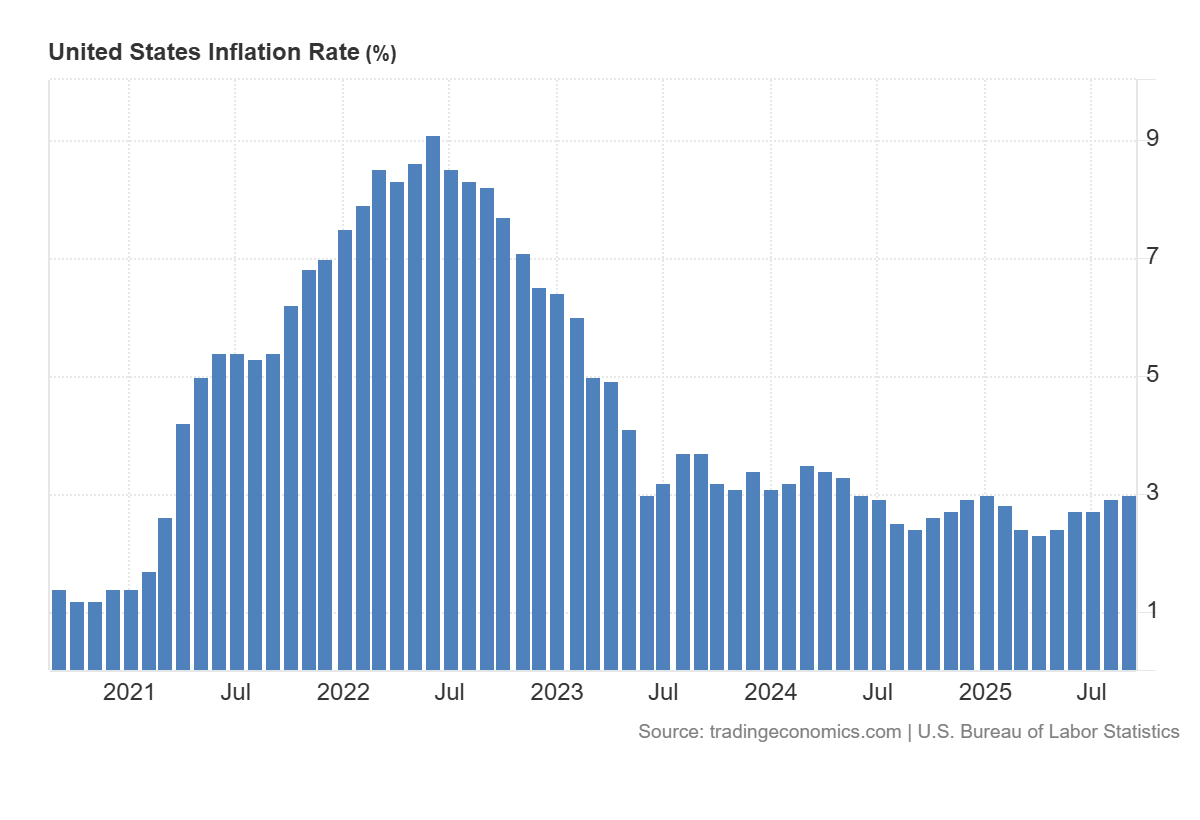
Why Inflation Reports Matter So Much
Inflation reports directly influence expectations around:
Interest rates
Monetary policy
Liquidity conditions
Corporate margins
Consumer demand
CPI and PCE do not just report data. They shape expectations about what the central bank will do next.
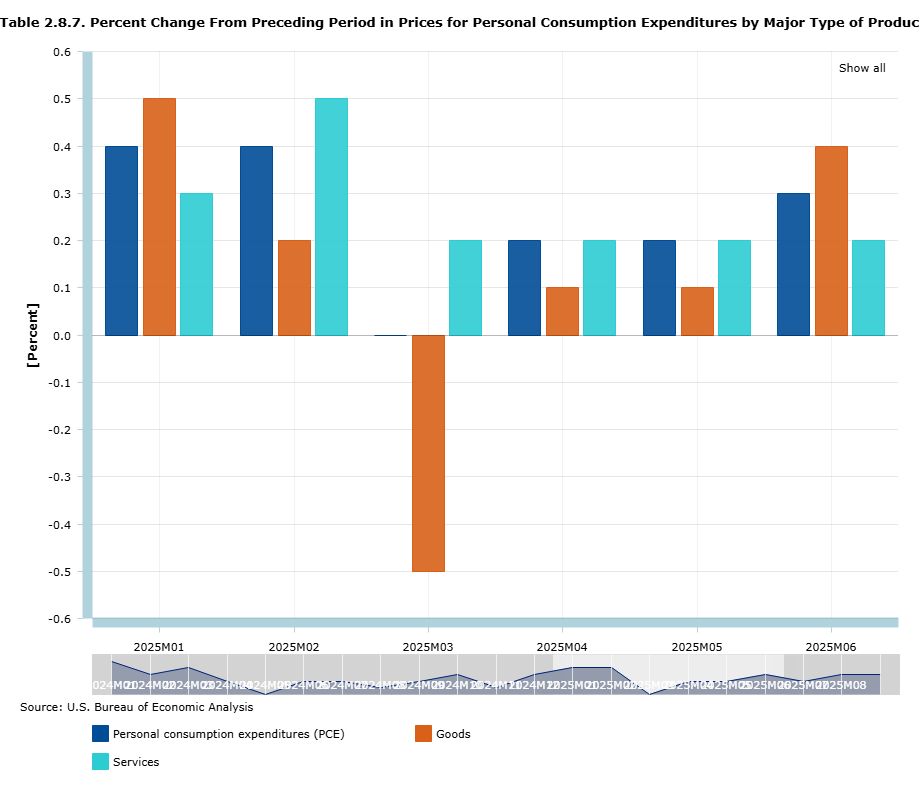
Markets are not reacting to the number alone. They are reacting to what the number changes about the future.
The Most Important Concept Retail Traders Miss
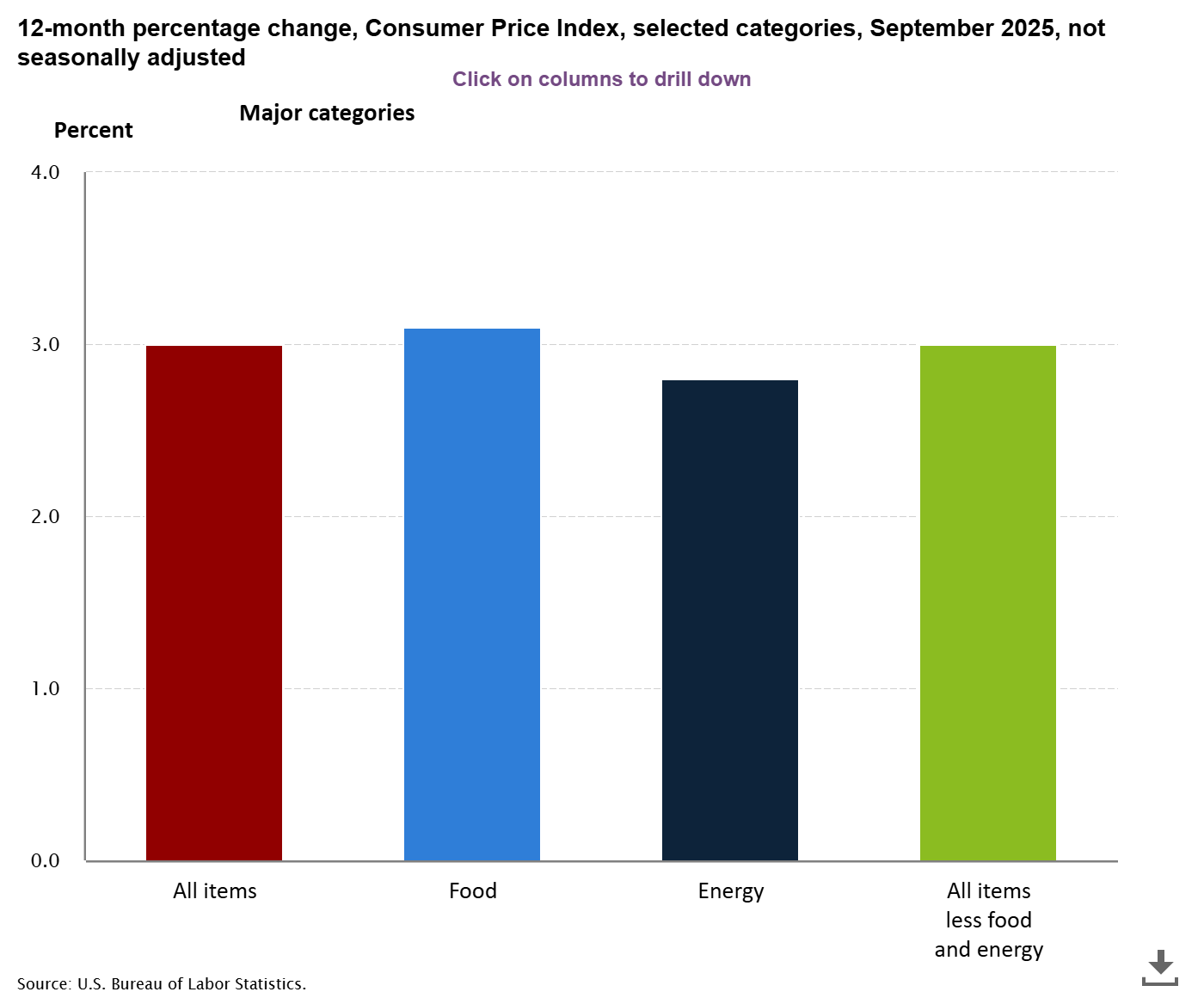
Markets do not trade inflation. They trade surprise relative to expectations.
If inflation comes in high but matches expectations, markets often rally. If inflation comes in low but expectations were lower, markets can sell off.
The headline number means very little without context.
This is why inflation days confuse retail traders who only read the news.
What the Data Shows About Inflation Report Days
Looking across CPI and PCE releases from 2020 through 2025, several repeatable behaviors stand out across ES, NQ, and SPY.
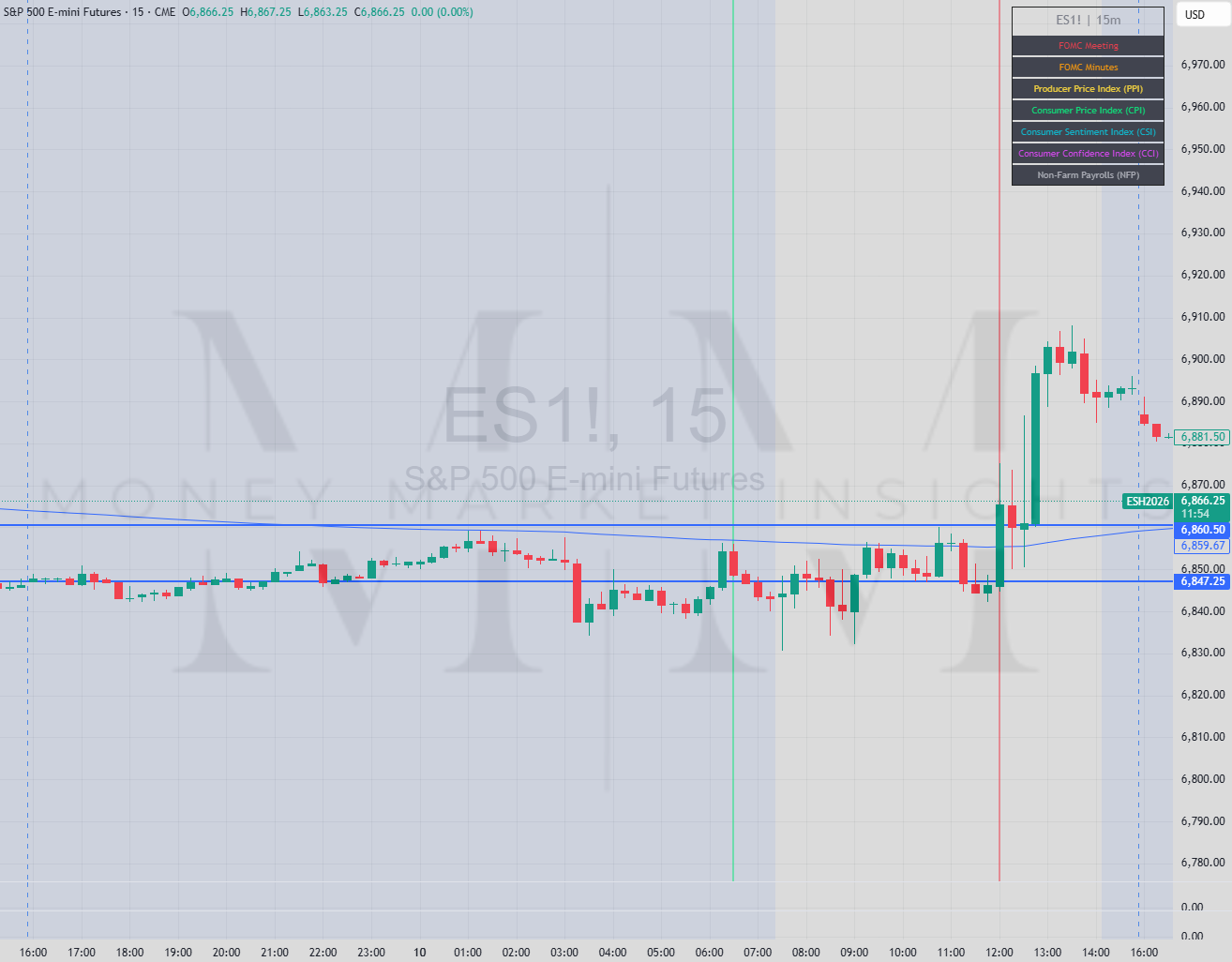
1. Volatility Expands Immediately
On average:
The first 5 to 15 minutes after release show significantly higher volatility
Wicks are longer
False breakouts are more common
This is price discovery, not trend formation.
Early movement is often emotional and liquidity driven.
2. Initial Direction Is Often Wrong
A common pattern:
Sharp move up or down immediately after the release
Quick reversal within minutes
Second move becomes the real move
This happens because:
Algorithms react instantly to the data
Liquidity is thin
Stops cluster near obvious levels
Institutions wait for positioning opportunities
Retail traders often enter on the first move and get trapped.
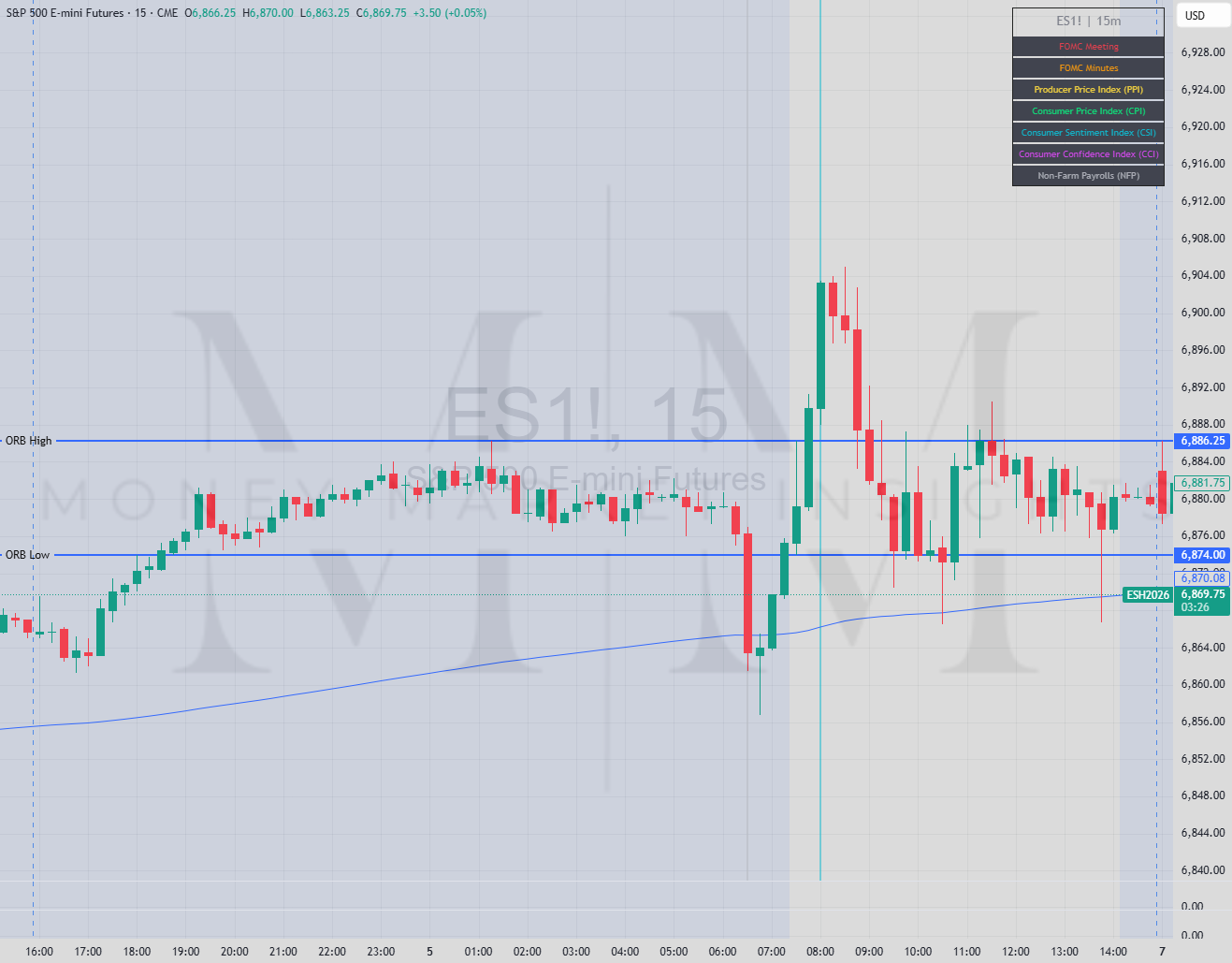
3. The Opening Range Still Matters
Even on inflation days, structure matters.
Data shows that when:
The opening range holds after the initial spike
Price reclaims or loses the opening range cleanly
Continuation probability improves dramatically.
Inflation days amplify ORB behavior. They do not invalidate it.
4. Inside Opens Create Chaos
When the market opens inside the prior day’s range on an inflation day:
Fakeouts increase
Mean reversion dominates early
Direction often takes longer to establish
These are the hardest inflation days to trade.
5. Volume Confirmation Is Critical
Breakouts without volume on inflation days fail more often than on normal sessions.
High probability moves show:
Volume expansion
Follow through after the initial reaction
Acceptance beyond key levels
No volume means no conviction.
Why Inflation Days Feel So Unforgiving
Inflation days compress multiple market forces into a short window:
Macro repricing
Liquidity adjustment
Position unwinds
Risk reduction or expansion
This creates:
Faster moves
Larger candles
More emotional decision making
Markets are not being irrational. They are repricing quickly.
Common Mistakes on Inflation Days
These mistakes show up repeatedly.
1. Trading the number instead of the reaction
The number is not the trade. Price reaction is the trade.
2. Entering too early
Early moves are often liquidity grabs. Patience dramatically improves outcomes.
3. Using normal position size
Volatility is higher. Risk must be lower.
4. Expecting clean trends immediately
Most inflation days require structure to form first.
5. Overtrading the noise
More movement does not mean more opportunity.
How to Trade Inflation Days the Right Way
1. Reduce size automatically
Inflation days are not the time for full size.
2. Let the first reaction happen
Do not rush. Let liquidity clear.
3. Trade structure, not headlines
Focus on:
Opening range
Key Price Levels
VWAP
Prior high and low
These levels still control behavior.
4. Look for acceptance, not spikes
Acceptance means:
Candles closing beyond levels
Follow through
Volume confirmation
Spikes alone are meaningless.
5. Be selective or sit out
Some inflation days offer one good trade. Some offer none.
Capital preservation is a win.
How Inflation Days Fit Into Market Cycles
Inflation reports often accelerate phase transitions.
Strong surprises can kick off expansion
Conflicting data can trigger consolidation
Repeated inflation shocks increase volatility regimes
This is why inflation days matter more than most single-session catalysts.
Inflation report days are not random chaos. They are compressed information days where liquidity, expectations, and positioning collide.
Retail traders struggle because they try to trade inflation like a normal session.
The traders who perform best on inflation days:
Reduce size
Wait for structure
Respect volatility
Trade confirmation
Accept that not trading is often the best decision
Inflation days reward patience, discipline, and context. Not speed.
*Disclaimer: Not Financial Advice. Investors should conduct thorough research and seek professional advice before making any investment decisions.