


Most traders lose money not because their strategy is bad, but because they apply the right strategy in the wrong market cycle.
Markets are not random. They move through repeatable phases driven by liquidity, sentiment, volatility, and participation. If you do not understand which phase the market is in, even the best setups will feel inconsistent.
What Is a Market Cycle?
A market cycle is the natural progression of price behavior over time. It reflects how participants enter, exit, pause, and reposition based on information and risk.
Think of markets like breathing.
They expand.
They pause.
They contract.
They reset.
Every market cycle contains these phases. The mistake most retail traders make is assuming the market should always behave the same way.
It does not.
The Four Core Market Phases
While cycles can be broken down in many ways, for practical trading purposes there are four core phases.
1. Accumulation
This phase occurs after a decline.
Characteristics:
Price moves sideways
Volatility is low
Volume stabilizes
News is still negative
Most traders lose interest
This is where smart money begins positioning quietly. Retail traders usually ignore this phase because it feels boring.
2. Expansion (Trend Phase)
This is where most profits are made.
Characteristics:
Higher highs and higher lows, or lower lows and lower highs
Expanding volatility
Strong directional movement
Breakouts hold
Pullbacks are shallow
Trend strategies, ORB, momentum systems, and continuation setups perform best here.
3. Distribution
This phase follows a prolonged trend.
Characteristics:
Price stalls
Volatility increases
Large wicks appear
Breakouts begin to fail
Sentiment remains optimistic
Institutions distribute positions to late buyers. Retail traders often mistake this phase for continuation.
4. Contraction or Reversion
This phase punishes trend traders.
Characteristics:
Choppy price action
Failed breakouts
Mean reversion dominates
Volatility compresses again
Confidence erodes
Range trading and liquidity-based strategies outperform here.
Market Cycles in Real Life (2020–2025)
Let’s walk through how these phases actually played out.
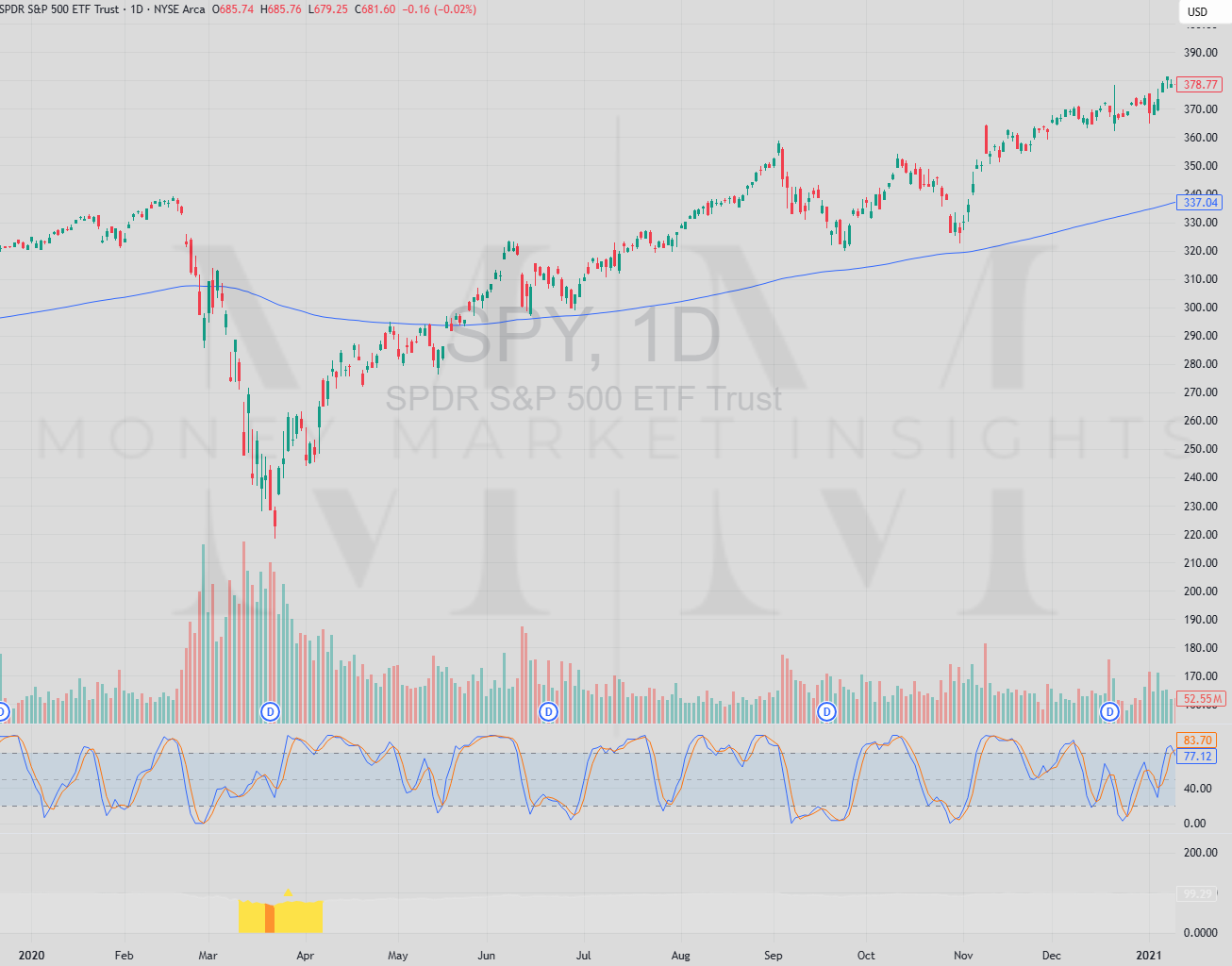
2020: Shock, Accumulation, Then Violent Expansion
In early 2020, markets experienced a historic volatility spike.
Sharp selloff
Extreme fear
Forced liquidation
This was followed by:
Accumulation as liquidity flooded the system
One of the strongest expansion phases in history
Trend following, breakouts, and momentum strategies performed exceptionally well. Mean reversion failed repeatedly. Image below.
2021: Sustained Expansion
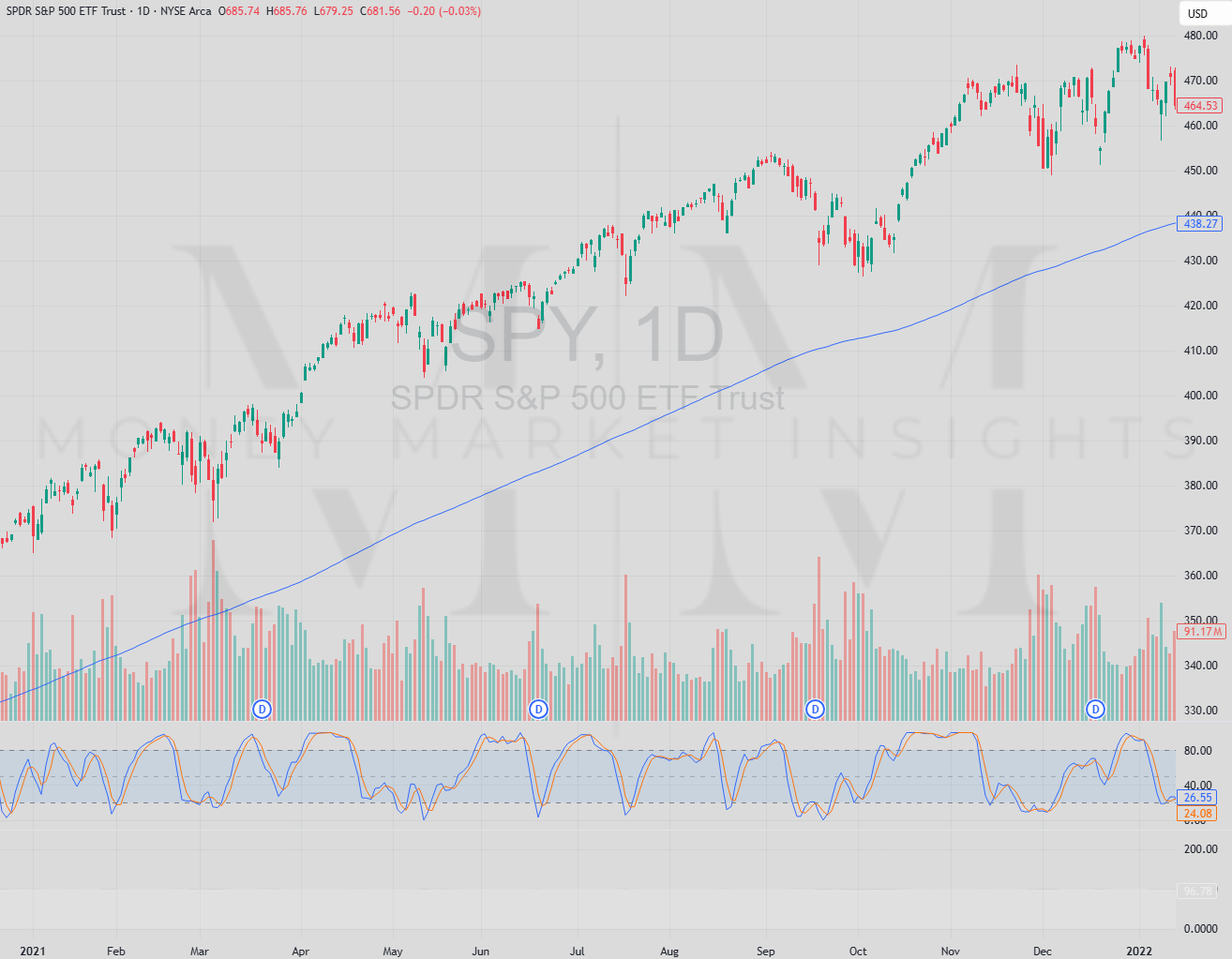
2021 was a classic expansion year.
Low rates
High liquidity
Strong participation
Clear directional trends
Most strategies worked, which led many traders to overestimate their edge. This is a common cycle trap. Image below.
2022: Distribution and Contraction
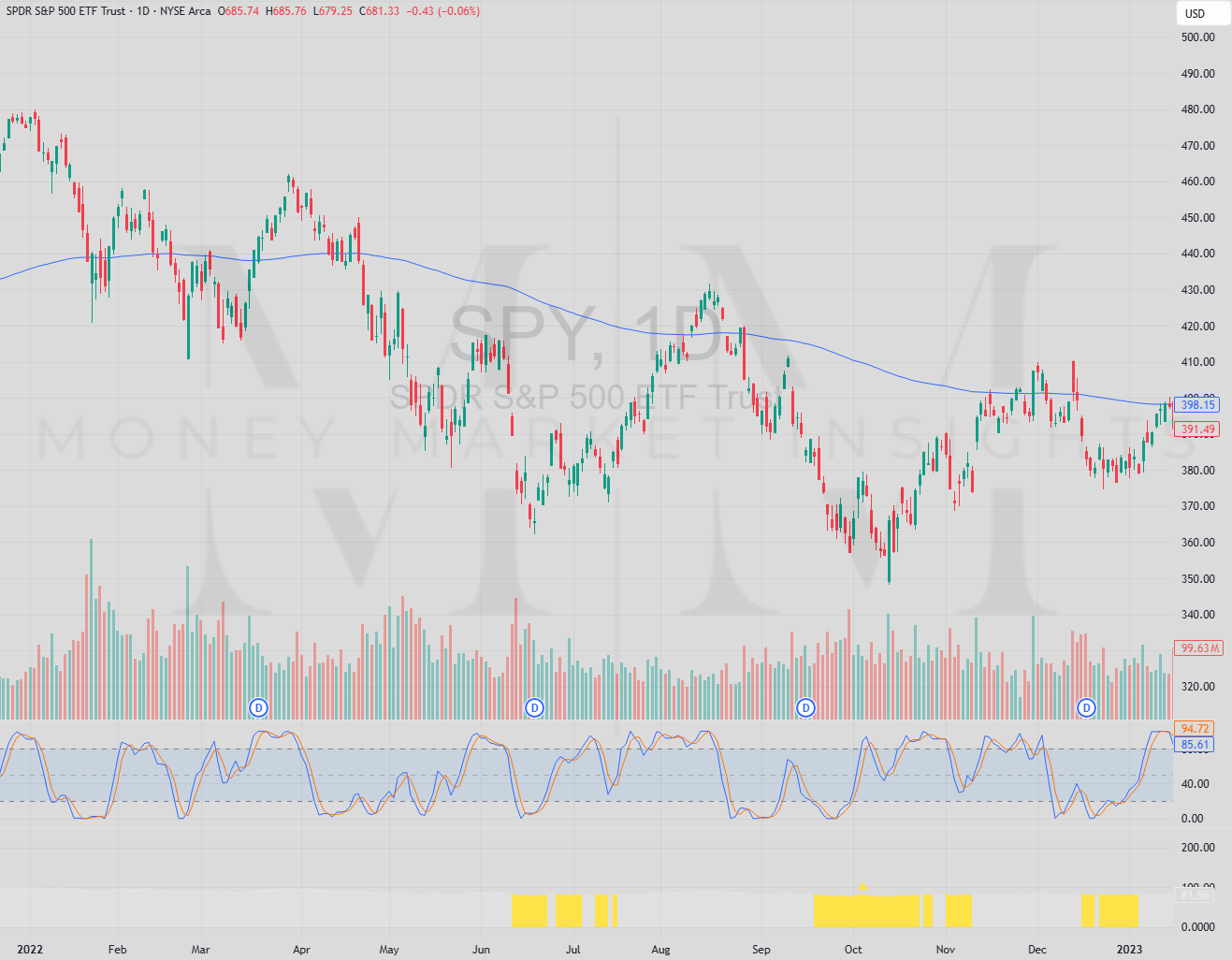
2022 marked a major regime shift.
Inflation concerns
Rate hikes
Liquidity withdrawal
Markets entered distribution and contraction phases.
Breakouts failed more often.
Volatility became erratic.
Mean reversion improved.
Many traders continued trading trend strategies and struggled. Image below.
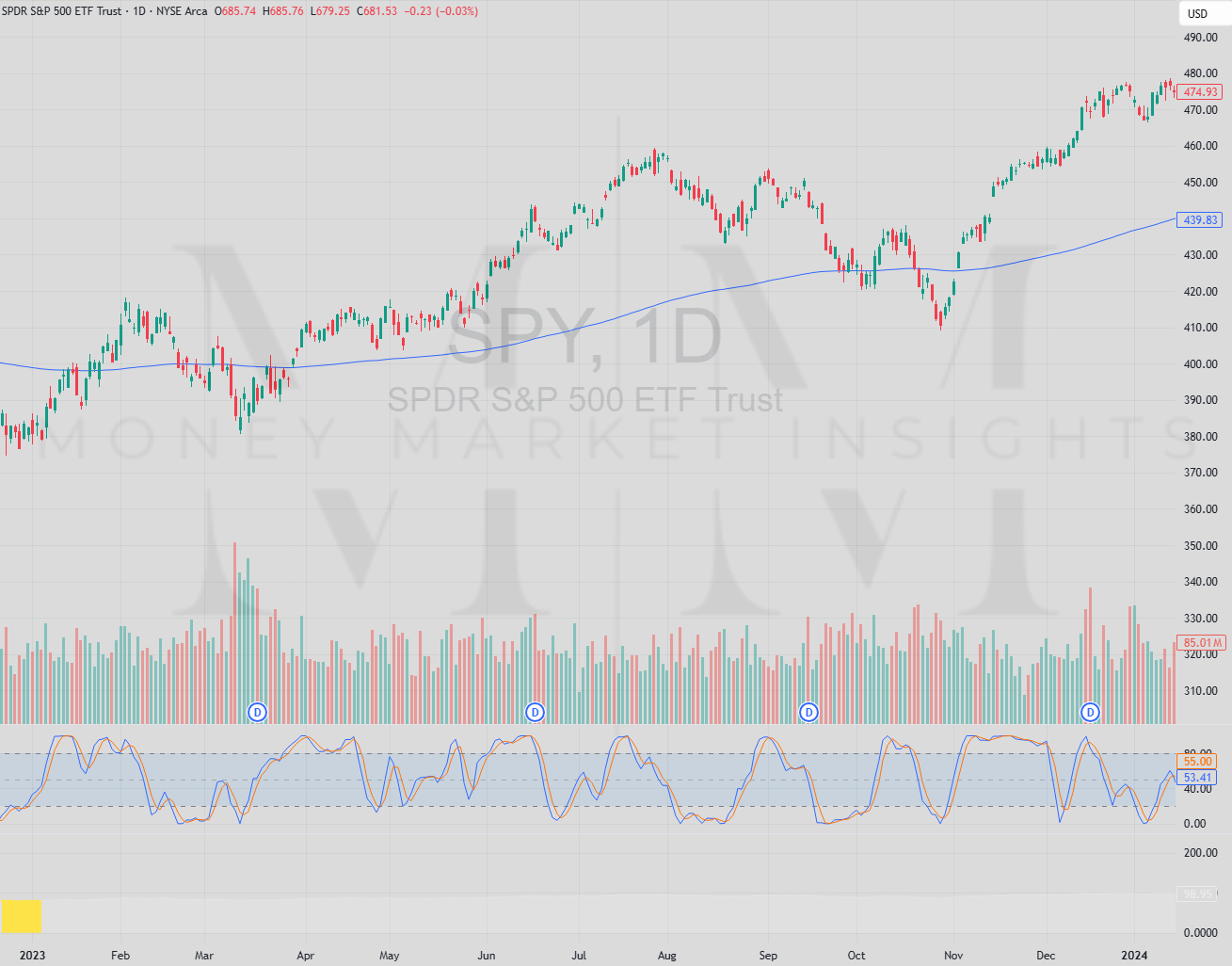
2023: Rotational and Mixed Cycles
2023 was not clean.
Short expansions
Frequent reversions
Sector rotation
Inconsistent follow through
This type of environment rewards adaptability and punishes rigid systems. Image below.
2024–2025: Faster Cycles, Tighter Windows
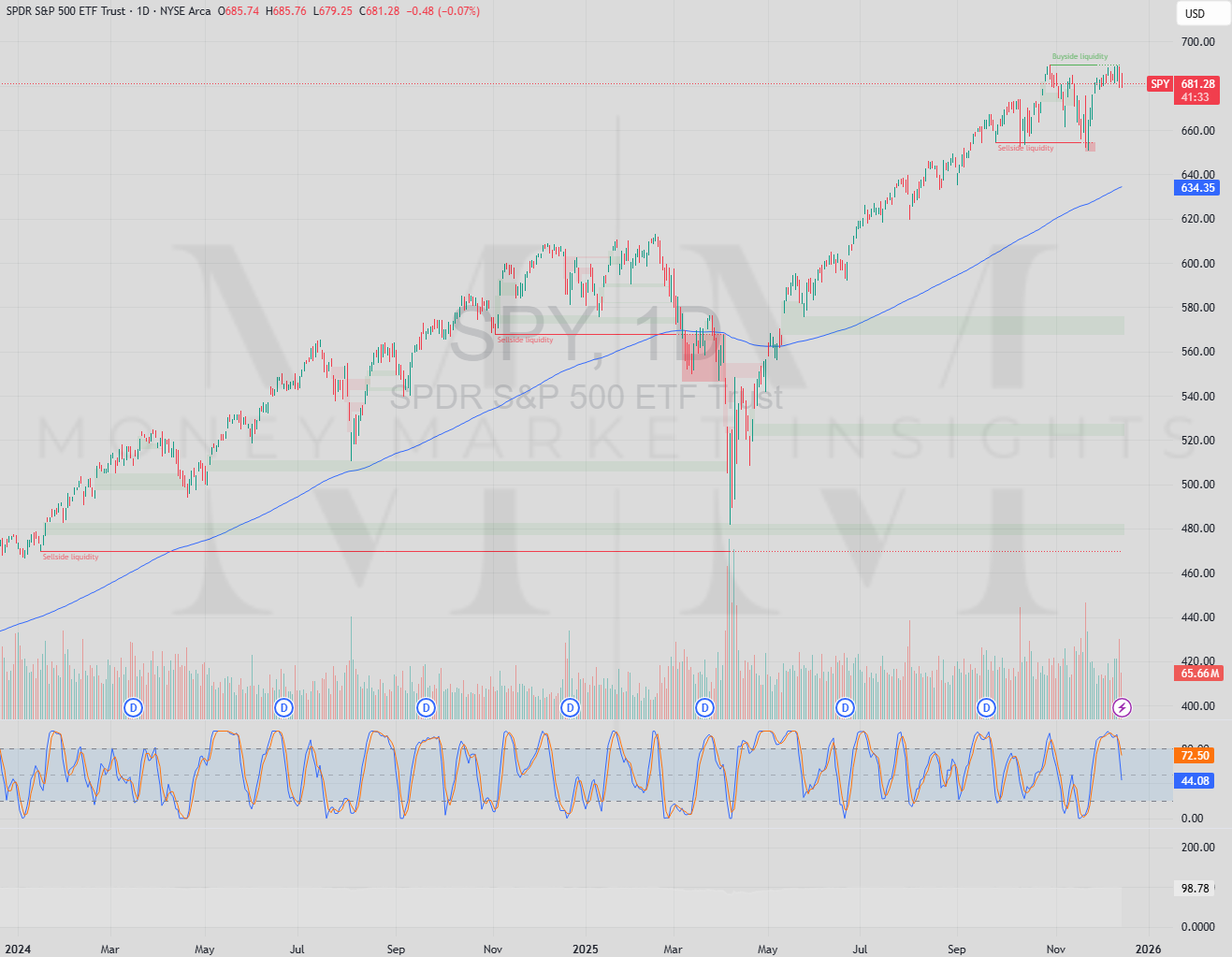
Recent markets have shown:
Faster transitions between phases
Shorter expansion windows
Higher sensitivity to macro data
Stronger reactions to liquidity events
This makes context more important than ever. Trading without cycle awareness is increasingly costly. Image below.
Why Most Traders Struggle With Market Cycles
There are three main reasons.
1. They assume the market should behave consistently
It never does.
2. They tie identity to a strategy
When the cycle changes, the strategy breaks, and so does confidence.
3. They mistake activity for opportunity
More movement does not mean more edge.
How to Trade With Market Cycles Instead of Against Them
This is where performance stabilizes.
1. Identify the current phase
Ask:
Are breakouts holding or failing?
Is volatility expanding or compressing?
Are pullbacks shallow or deep?
Is price trending or rotating?
These answers reveal the phase.
2. Match strategy to phase
Expansion → trend following, ORB, continuation
Accumulation → patience, level building
Distribution → caution, reduced size
Contraction → mean reversion, liquidity trades
One strategy cannot dominate every phase.
3. Adjust expectations
In expansion, let winners run.
In contraction, take profits faster.
In transitions, trade less.
4. Reduce size during transitions
Transitions are where false signals thrive. Smaller size protects capital and confidence.
Why Market Cycle Awareness Is a Competitive Advantage
Most retail traders never learn this. They bounce from indicator to indicator trying to fix a problem that has nothing to do with indicators.
Market cycle awareness gives you:
Fewer trades
Better timing
Improved risk control
Emotional stability
A framework that scales
This is why professional systems focus on environment first and execution second.
Markets are not broken when your strategy stops working. The cycle has simply changed.
The traders who survive long term are not the ones with the most indicators or the most trades. They are the ones who understand context, adapt to environment, and respect the phase the market is in.
If you learn to trade market cycles instead of fighting them, consistency becomes far more achievable.
*Disclaimer: Not Financial Advice. Investors should conduct thorough research and seek professional advice before making any investment decisions.